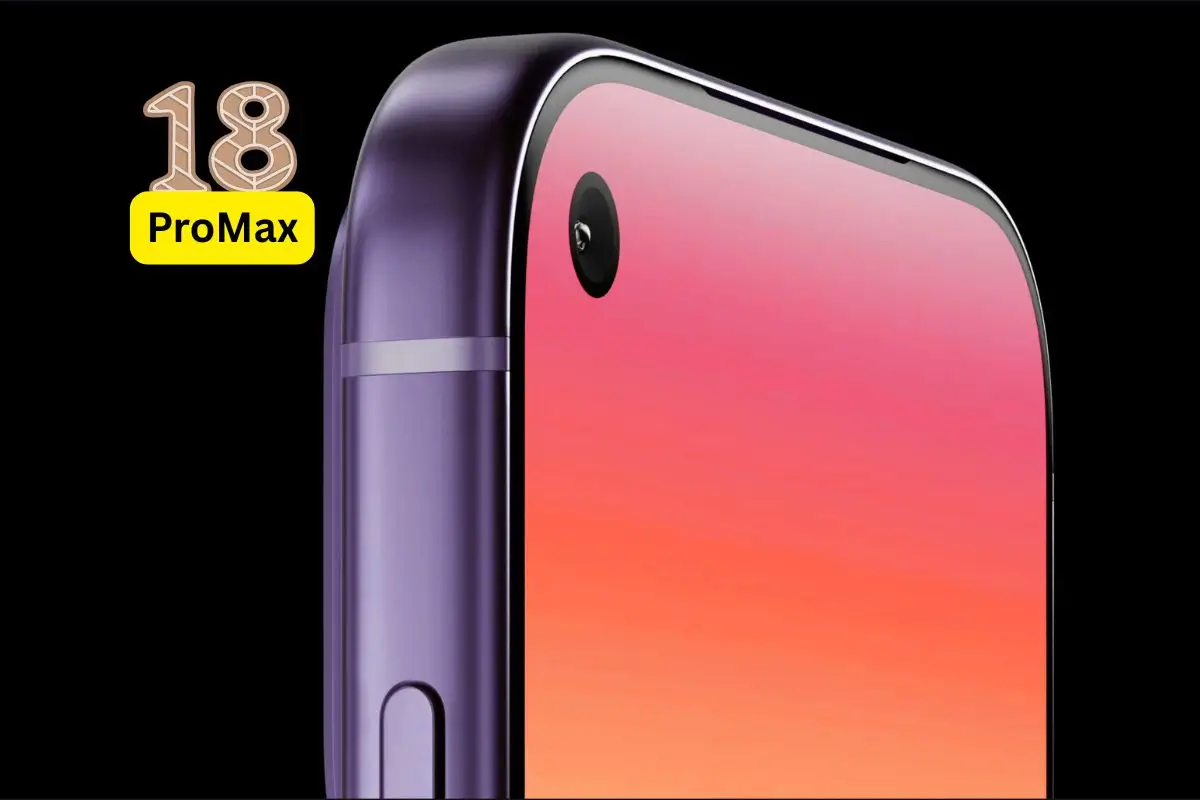
Apple may finally be ready to blur the line between smartphones and professional cameras.
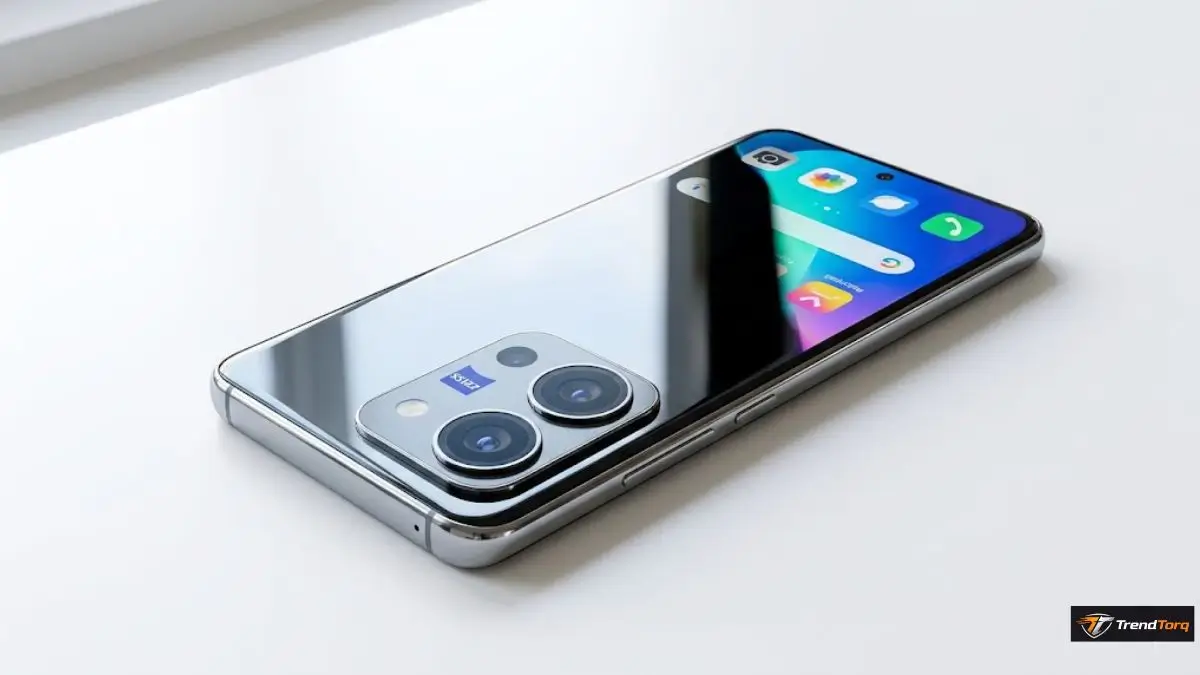
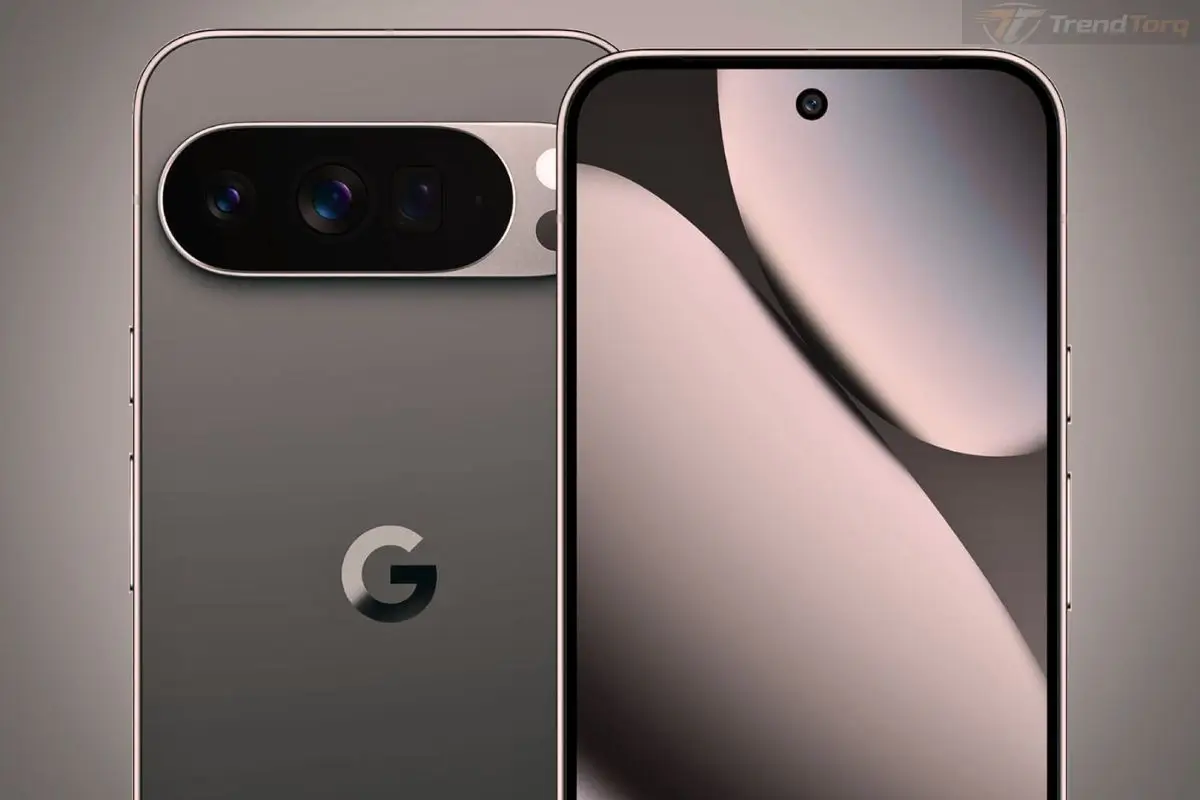
New leaks suggest the iPhone 18 Pro has entered early production, and the highlight is a DSLR-style variable aperture camera mechanism.
This isn’t just another yearly upgrade. It hints at Apple shifting from software-heavy photography toward true optical innovation-something users have been waiting for.
What Makes the iPhone 18 Pro Camera Upgrade So Different?
The iPhone 18 Pro could introduce a camera that physically adapts to light.
Instead of relying only on software, it adjusts how much light enters the lens in real time.
Most smartphones today-including current iPhones-use fixed apertures. That means the lens opening doesn’t change, and software does the heavy lifting. Apple’s rumored system changes that.
Why this matters instantly:
- It brings DSLR-style control into a smartphone
- It reduces dependence on artificial image processing
- It improves consistency across different lighting conditions
Factual Insight 1: Apple’s current flagship models like the iPhone 15 Pro use fixed apertures (around f/1.78), confirmed via official Apple specifications.
How Does a Variable Aperture Camera Actually Work?
A variable aperture adjusts the size of the lens opening depending on the scene.
This directly affects brightness, sharpness, and depth of field.
Think of it like your eye-wider in the dark, narrower in bright sunlight.
In practical terms:
- Wide aperture → more light, softer background
- Narrow aperture → less light, sharper overall image
This mechanism is common in DSLR and mirrorless cameras but extremely hard to miniaturize for phones.
Factual Insight2: Aperture is measured in f-stops (f/1.4, f/2.8, etc.), and lower numbers mean a wider opening (standard photography principle).
Why Is Apple Moving Toward Hardware-Based Photography Now?
Smartphone cameras have reached a plateau with software alone.
Apple appears to be focusing on hardware innovation to push image quality further.
For years, Apple leaned heavily on computational photography-Smart HDR, Deep Fusion, and Night Mode. While effective, these methods simulate results rather than capturing them naturally.
What’s changing now:
- Users want more authentic images
- Content creators demand more control
- Competitors are experimenting with hybrid systems
Factual Insight 3: According to industry data (Statista), smartphones account for over 90% of photos taken globally, increasing demand for higher-quality mobile imaging.
Will This Actually Improve Photo Quality for Everyday Users?
Yes-and not just for professionals.
Even casual users should notice better clarity, lighting, and realism.
The biggest advantage is that photos won’t rely as much on aggressive processing, which sometimes makes images look artificial.
Real-world benefits include:
Better Night Photography
A wider aperture captures more light, reducing noise without heavy software smoothing.
More Natural Portrait Shots
Background blur (bokeh) will look realistic instead of digitally generated.
Sharper Daylight Images
A narrower aperture keeps more of the scene in focus.
Factual Insight 4: Increasing light intake improves signal-to-noise ratio in sensors, which directly enhances low-light image quality (basic imaging science).
How Is Apple Managing the Engineering Challenge?
Fitting a mechanical aperture into a smartphone is incredibly difficult.
Space, durability, and precision all become major challenges.
Apple is known for solving such problems through tight integration between hardware and software.
Likely engineering solutions:
- Ultra-compact moving lens components
- Advanced stabilization to avoid motion blur
- AI-assisted adjustments to complement hardware
This isn’t just a camera upgrade-it’s a complete redesign of the camera module.
What Does This Mean for Apple’s Manufacturing and Supply Chain?
Production leaks suggest Apple has already aligned its suppliers for this technology.
That’s a big deal because new hardware features usually require new partnerships.
Apple typically works with companies like Sony for sensors and LG Innotek for camera modules.
What changes here:
- New micro-mechanical parts suppliers
- Higher precision assembly lines
- Increased testing for durability
Factual Insight 5: Apple’s camera modules are among the most complex smartphone components, often involving multiple global suppliers (industry reports).
Could This Feature Increase the Price of the iPhone 18 Pro?
Very likely.
Mechanical camera systems are more expensive than fixed designs.
Apple may use this feature to further separate the Pro lineup from standard models, justifying a premium price.
Why costs may rise:
- Additional hardware complexity
- Lower initial production yields
- Higher R&D investment
Still, Apple has historically balanced pricing through economies of scale.
How Will Competitors React to This Move?
If Apple successfully implements variable aperture, competitors won’t ignore it.
It could trigger a new wave of hardware-focused camera innovation.
Brands like Samsung and Huawei have experimented with similar features before, but none made it mainstream.
Possible industry shifts:
- Renewed focus on optical engineering
- Less reliance on AI-only photography
- New differentiation in flagship devices
Factual Insight 6: Samsung introduced a dual-aperture system in the Galaxy S9 (2018), but later removed it, possibly due to limited adoption.
Can a Smartphone Really Replace a DSLR Now?
Not entirely-but it’s getting closer.
The gap between smartphones and dedicated cameras is shrinking every year.
What still holds smartphones back:
- Smaller sensors
- Limited lens interchangeability
- Less manual control flexibility
However, for everyday us-and even content creation-phones are becoming more than enough.
Factual Insight 7: DSLR and mirrorless cameras use much larger sensors (APS-C or full-frame), which capture more light and detail (standard camera specifications).
When Can You Expect the iPhone 18 Pro to Launch?
Based on typical Apple timelines, a fall 2026 release is most likely.
Production starting early usually aligns with Apple’s September launch cycle.
Expected rollout:
- Production phase: 2026
- Announcement: September event
- Sales: Shortly after launch
Of course, leaks aren’t confirmations-but they often hint at Apple’s direction.
What Could Be the Next Step After Variable Aperture?
Apple rarely stops at one innovation.
This could open the door to even more advanced camera technologies.
Future possibilities:
- Larger sensors without increasing phone size
- Advanced optical zoom systems
- Real-time aperture control for video
- Deeper AI + hardware integration
Smartphones are evolving into powerful creative tools, not just communication devices.
Factual Insight 8: Periscope lens systems already enable high optical zoom (up to 10x) in modern smartphones (industry data).
Is Apple Taking a Risk with This Approach?
Yes-but it’s a calculated one.
Apple is shifting from safe, incremental upgrades to bold hardware changes.
That’s not typical for Apple, which usually refines existing tech rather than introducing complex mechanisms early.
But if successful, this could redefine expectations for smartphone cameras.
References
- Statista – Smartphone photography statistics
- MacRumors – iPhone 18 Pro variable aperture leak
- Tom’s Guide – iPhone 18 Pro camera upgrade report
- Geeky Gadgets – DSLR-style camera leak details
- Analytics Insight – Variable aperture explanation
FAQs
Is the iPhone 18 Pro coming out?
Apple has not officially confirmed the iPhone 18 Pro yet. However, based on Apple’s yearly release cycle, it is highly likely to launch as part of the iPhone 18 series in the future.
Is the iPhone 18 launched?
No, the iPhone 18 has not been launched yet. As of now, there is no official announcement or release from Apple regarding the iPhone 18 lineup.
Is the iPhone 18 coming out in 2026?
Yes, based on Apple’s typical release pattern (one iPhone generation per year), the iPhone 18 series is expected to launch around September 2026. This is a projection, not an official confirmation.
Will the iPhone 18 Pro cost more?
There is no official pricing yet. However, if Apple introduces advanced hardware like a variable aperture camera, the iPhone 18 Pro could be priced higher than previous Pro models.
Has the iPhone 18 been leaked?
Yes, there have been early leaks and reports about the iPhone 18 Pro, especially regarding a new DSLR-style camera system. However, these leaks are not officially confirmed by Apple.
Final Takeaway
The iPhone 18 Pro leak points to something bigger than a camera upgrade.
It signals Apple’s move toward true optical photography in smartphones.
If the variable aperture system delivers on its promise, users could finally get:
- More natural photos
- Better low-light performance
- Real camera-like control
Disclaimer:
This article is based on leaks and industry reports. Apple has not officially confirmed the iPhone 18 Pro details.